Lexical disorder (vocabulary)
Symptoms: Few words, frequent circumlocution ("that thing"), problems with naming and learning new terms. Treatment: Topic-based vocabulary building, visualization, lots of repetition through play, inclusion of all languages.
word-finding difficulty
Symptoms: word-finding difficulties, often says “um,” uses placeholders even though the terms are known. Treatment: strategy training (paraphrasing, categories), retrieval exercises, building semantic networks.
Dysgrammatism / morphosyntactic disorder
Symptoms: errors in verb forms, plural, case, very simple sentences, despite sufficient practice. Treatment: grammar activities through play, sentence structure exercises, and practicing structures in everyday situations.
Clattering
Symptoms: Very fast, “slurred” speech, omissions, sentence truncation. Treatment: Regulating speech rate, structuring utterances, training self-awareness.
Stuttering
Symptoms: repetitions, prolongations, blocks; often tension and fear of speaking. Treatment: age-appropriate stuttering therapy (e.g. fluency shaping, stuttering modification), parent counseling, relief.
Articulation disorder / dyslalia
Symptoms: Certain sounds are missing or replaced (e.g., “Tuh” instead of “Kuh”), making the child harder to understand. Treatment: Sound development (perception, sound formation, syllable–word–sentence), integration into everyday life.
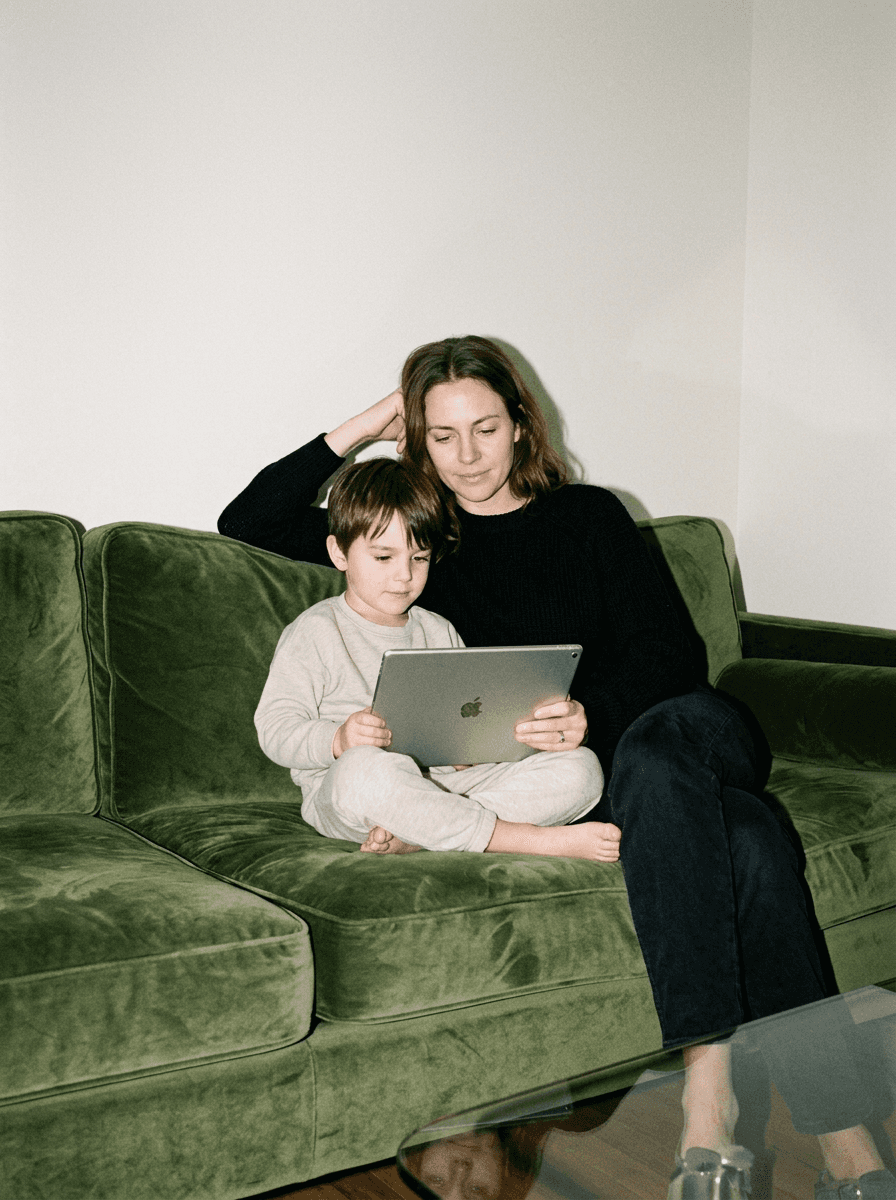
Speech and language disorders in children
In children, we mainly treat language development disorders – these include delayed speech onset as well as abnormalities in vocabulary, grammar, and language comprehension, both in children growing up in monolingual and multilingual environments.
Delayed speech onset (Late Talker)
Symptoms: At age 2, significantly fewer words than peers, few or no two-word phrases. Treatment: Observation, counseling, playful early intervention (language games, picture books, routines).
Speech development delay (SEV)
Symptoms: All language areas are "younger," but with support, the child usually catches up. Treatment: Playful support for vocabulary, sentences, and language comprehension, with guidance for parents for everyday life.
Language development disorder (SES / USES)
Symptoms: Clear, persistent problems with vocabulary, grammar and/or language comprehension, often noticeable in several situations. Treatment: Structured therapy with clear goals (e.g., verb inflection, multi-word sentences), intensive parent coaching.
Lexical disorder (vocabulary)
Symptoms: Few words, frequent circumlocution ("that thing"), problems with naming and learning new terms. Treatment: Topic-based vocabulary building, visualization, lots of repetition through play, inclusion of all languages.
word-finding difficulty
Symptoms: word-finding difficulties, often says “um,” uses placeholders even though the terms are known. Treatment: strategy training (paraphrasing, categories), retrieval exercises, building semantic networks.
Dysgrammatism / morphosyntactic disorder
Symptoms: errors in verb forms, plural, case, very simple sentences, despite sufficient practice. Treatment: grammar activities through play, sentence structure exercises, and practicing structures in everyday situations.
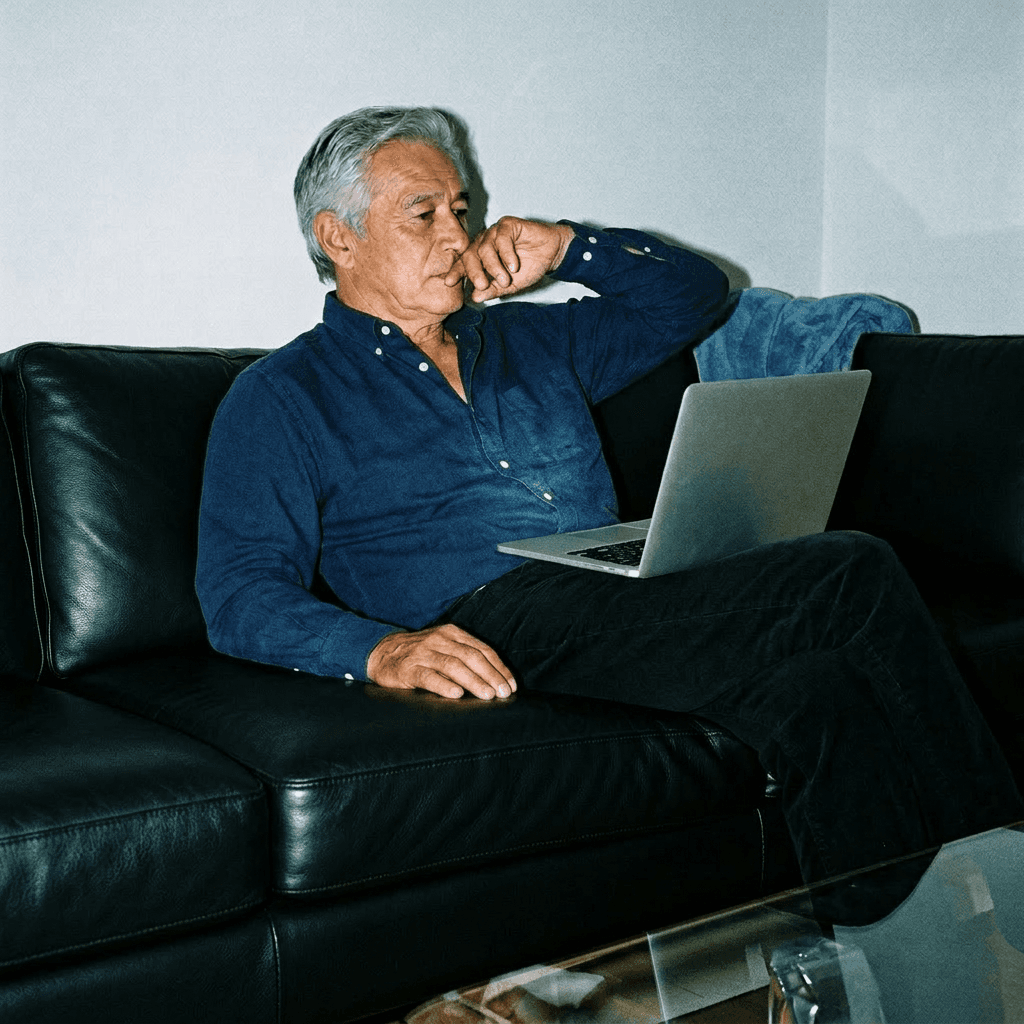
Speech and language disorders in adults
Speech disorder in neurodegenerative diseases
Symptoms: Quiet, monotonous, unclear speech, reduced facial expression. Treatment: Loudness training, articulation, prosody exercises, home programs.
Stuttering
Symptoms: Persistent or recurring blocks, prolongations, repetitions, avoidance behaviors. Treatment: Modification or fluency shaping therapy, work on attitudes and self-confidence.
Speech fluency disorder after brain injury
Symptoms: Combination of motor and language problems, disorganized speech. Treatment: Combination of fluency, language, and speech therapy, daily living training.
Aphasia after stroke
Symptoms: word-finding difficulties, comprehension problems, impaired sentence structure, reading/writing affected. Treatment: language-based therapy (word retrieval, grammar, comprehension), communicative everyday exercises, counseling for relatives.
Dysarthria
Symptoms: Slurred, quiet, monotonous, or strained voice; articulation slowed or imprecise. Treatment: Breathing and voice exercises, articulation training, adjustment of speaking rate, and, if necessary, aids.
speech apraxia
Symptoms: Inconsistent sound and syllable errors, search movements, speech initiation problems. Treatment: High-frequency sound and syllable exercises, rhythmic-melodic techniques, motor learning.

the online speech therapy
Private practice for speech therapy
the online speech therapy
Private practice for speech therapy
Speech and language disorders in children
In children, we mainly treat developmental language disorders – these include a delayed start to speaking as well as difficulties with vocabulary, grammar, and language comprehension, in both monolingually and multilingually raised children.
Multilingualism is not a disorder, but it can occur together with a developmental language disorder when the difficulties are observed in all of the child's languages.
Delayed speech onset (Late Talker)
Symptoms: At age 2, significantly fewer words than peers, few or no two-word phrases. Treatment: Observation, counseling, playful early intervention (language games, picture books, routines).
Speech development delay (SEV)
Symptoms: All language areas are "younger," but with support, the child usually catches up. Treatment: Playful support for vocabulary, sentences, and language comprehension, with guidance for parents for everyday life.
Language development disorder (SES / USES)
Symptoms: Clear, persistent problems with vocabulary, grammar and/or language comprehension, often noticeable in several situations. Treatment: Structured therapy with clear goals (e.g., verb inflection, multi-word sentences), intensive parent coaching.
Clattering
Symptoms: Very fast, “slurred” speech, omissions, sentence truncation. Treatment: Regulating speech rate, structuring utterances, training self-awareness.
Stuttering
Symptoms: repetitions, prolongations, blocks; often tension and fear of speaking. Treatment: age-appropriate stuttering therapy (e.g. fluency shaping, stuttering modification), parent counseling, relief.
Articulation disorder / dyslalia
Symptoms: Certain sounds are missing or replaced (e.g., “Tuh” instead of “Kuh”), making the child harder to understand. Treatment: Sound development (perception, sound formation, syllable–word–sentence), integration into everyday life.
Speech and language disorders in adults
Speech disorder in neurodegenerative diseases
Symptoms: Quiet, monotonous, unclear speech, reduced facial expression. Treatment: Loudness training, articulation, prosody exercises, home programs.
Stuttering
Symptoms: Persistent or recurring blocks, prolongations, repetitions, avoidance behaviors. Treatment: Modification or fluency shaping therapy, work on attitudes and self-confidence.
Speech fluency disorder after brain injury
Symptoms: Combination of motor and language problems, disorganized speech. Treatment: Combination of fluency, language, and speech therapy, daily living training.
In adults, language and speech disorders following stroke or other neurological diseases are the focus, for example aphasia, dysarthria, or apraxia of speech. In addition, we treat persistent fluency disorders such as stuttering or cluttering, as well as complex communication disorders.
Aphasia after stroke
Symptoms: word-finding difficulties, comprehension problems, impaired sentence structure, reading/writing affected. Treatment: language-based therapy (word retrieval, grammar, comprehension), communicative everyday exercises, counseling for relatives.
Dysarthria
Symptoms: Slurred, quiet, monotonous, or strained voice; articulation slowed or imprecise. Treatment: Breathing and voice exercises, articulation training, adjustment of speaking rate, and, if necessary, aids.
speech apraxia
Symptoms: Inconsistent sound and syllable errors, search movements, speech initiation problems. Treatment: High-frequency sound and syllable exercises, rhythmic-melodic techniques, motor learning.